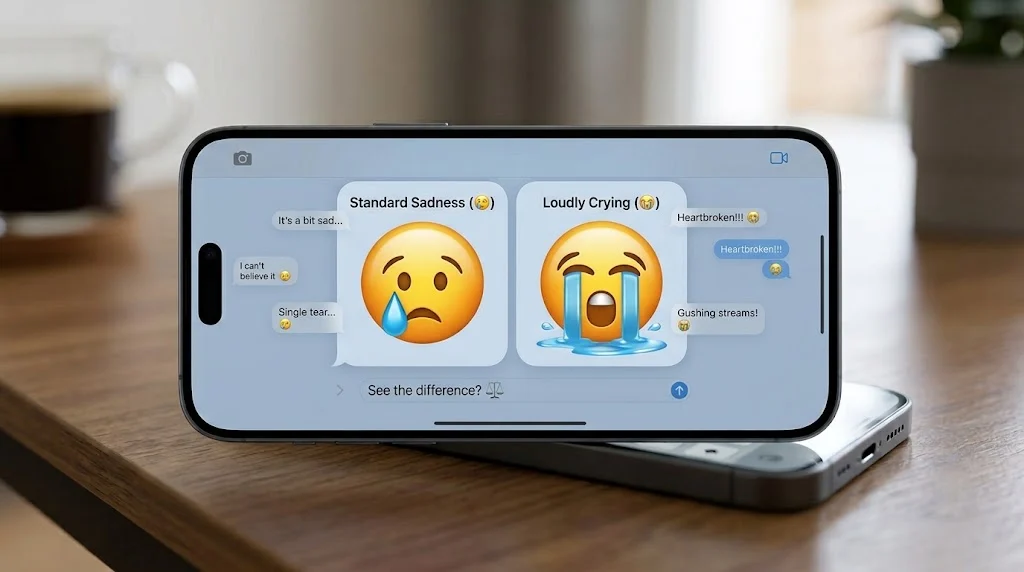
😢 usually means “I’m sad,” “That hurts,” or “I feel for you.” 😭 often means “I’m crying so hard,” but it can also exaggerate laughter, excitement, or disappointment in a playful way.
The cry emoji can express sadness, hurt feelings, disappointment, sympathy, or being emotionally moved. The two emojis people often mean by “cry emoji” are 😢, officially called Crying Face, and 😭, officially called Loudly Crying Face. Although both show tears, they can communicate different levels of emotion. 😢 often suggests quiet sadness or sympathy, while 😭 can express intense crying, heartbreak, or dramatic reactions to something funny or frustrating.
The right interpretation depends on the words, the situation, and the sender’s usual texting style. A crying emoji does not always mean someone is genuinely upset; sometimes it is simply a dramatic reaction to everyday life.
What Does the Crying Emoji Mean in Texts?
Crying emojis are a quick way to show an emotional reaction when words alone do not feel strong enough. Their meaning can range from genuine sadness to affectionate support or exaggerated humor.
1. Sadness and Hurt Feelings
The 😢 emoji often expresses sadness, disappointment, loneliness, or emotional pain. It can soften a difficult message or show that something has genuinely hurt the sender.
Example: “I really wanted to see you before you moved away 😢”
Likely meaning: The sender feels sad about the situation and may be expressing that they will miss someone.
2. Intense Crying or Heartbreak
The 😭 emoji has streams of tears and often communicates a stronger emotional reaction. It may express grief, heartbreak, frustration, or feeling overwhelmed.
Example: “I can’t believe we won’t be working together anymore 😭”
Likely meaning: The person is deeply upset or wants to emphasize how emotional the situation feels.
However, the emoji’s dramatic appearance also makes it useful for joking reactions.
3. Sympathy and Emotional Support
A crying face can show that you feel sorry for someone or are moved by their experience.
Example: “I’m sorry you had such a difficult week 😢”
Likely meaning: “I feel for you, and I care about what you’re going through.”
A crying emoji can add warmth to a supportive message, but a few sincere words often make the support clearer.
4. Funny Reactions and Dramatic Complaints
On many occasions, 😭 does not mean literal crying. It can exaggerate an emotional reaction to something funny, inconvenient, or surprising.
Example: “My favorite restaurant is closed today 😭”
Likely meaning: The sender is disappointed and expressing it dramatically, possibly for humor.
Another example: “That video is too funny 😭”
Here, the emoji may communicate uncontrollable laughter rather than sadness.
5. Relief, Gratitude, or Being Moved
Not every emotional tear represents sadness. People sometimes use crying emojis when something turns out well after a stressful experience or when a moment feels meaningful.
Example: “I passed the exam after studying for weeks 😭”
Likely meaning: The sender feels overwhelmed with relief, joy, or disbelief.
The surrounding words are especially important when the emotion could be either positive or negative.
😢 vs. 😭: What’s the Difference?
The main difference is the intensity of the expression, although the two emojis often overlap.
😢
😢 Crying Face
Often expresses sadness, disappointment, sympathy, or a quiet emotional reaction.
Example: “I’m going to miss everyone 😢”
😭
😭 Loudly Crying Face
Often conveys intense sadness, overwhelming emotion, or an exaggerated reaction.
Example: “I have to say goodbye today 😭”
For a gentle expression of sadness, 😢 may be the better choice. For a stronger reaction or a deliberately dramatic joke 😭 may fit better.
Neither emoji guarantees how seriously a message should be taken. Some people use 😭 for emotions they would express with 😢, while others use it mainly for humor.
Related Crying Emojis and Their Meanings
Several other emojis express sadness, emotional overwhelm, or tears. Choosing the right one helps communicate the feeling more clearly.
| Emoji | Official Name | Common Meaning | Tone | Where or When It Is Used |
|---|---|---|---|---|
| 😢 | Crying Face | Sadness, hurt, sympathy | Gentle, sad | Disappointing news or supportive messages |
| 😭 | Loudly Crying Face | Intense sadness or dramatic emotion | Strong, emotional | Heartbreak, exaggerated reactions, or funny comments |
| 🥹 | Face Holding Back Tears | Gratitude, tenderness, emotional pride | Touching, vulnerable | Heartwarming moments or meaningful praise |
| 😥 | Sad but Relieved Face | Worry mixed with relief | Anxious, relieved | After a stressful situation ends |
| 😓 | Downcast Face with Sweat | Stress, worry, or difficulty | Strained, troubled | Tough deadlines or exhausting situations |
| 😞 | Disappointed Face | Disappointment or sadness | Dejected, subdued | Plans falling through or receiving bad news |
| ☹️ | Frowning Face | Unhappiness or disapproval | Plain, unhappy | Expressing dissatisfaction or concern |
| 😂 | Face with Tears of Joy | Strong laughter | Amused, playful | Funny stories, jokes, and hilarious reactions |
These names follow the Unicode emoji reference and its associated character annotations.
😭 vs. 🥹: Crying or Holding Back Tears?
The loudly crying face shows tears streaming down the face, while 🥹 depicts a face with watery eyes that appears to be holding back tears.
Use 😭 for intense sadness or a dramatic emotional reaction. Choose 🥹 when you want to express gratitude, tenderness, pride, or being deeply touched.
😢 vs. 😥: Sadness or Relief?
The 😢 emoji is a more direct expression of sadness. The 😥 emoji combines a troubled expression with sweat and can suggest that someone feels anxious but relieved.
For example, “I thought I had lost my wallet, but I found it 😥” fits the relief-related meaning better than a simple sad face.
😭 vs. 😂: Sad Tears or Happy Tears?
This is one of the most important differences. 😭 often conveys crying or intense emotion, but it can also be used humorously. 😂 specifically depicts a face with tears of joy and is more directly associated with laughter.
- “I miss my family so much 😭” suggests sadness or longing.
- “That joke was hilarious 😂” clearly emphasizes laughter.
- “That joke was so funny 😭” uses the crying emoji as a dramatic reaction to humor.
When the message could be misunderstood, adding a few words can clarify whether the tears represent sadness or laughter.
What Does It Mean When Someone Sends You a Cry Emoji?
If someone sends 😢 or 😭 directly to you, consider the conversation before assuming they are sad, angry, or upset with you.
- After bad news: They may feel sad or sympathetic.
- After a heartfelt message: They may be touched or overwhelmed.
- After a joke: They may be laughing dramatically.
- After a disappointing event: They may be frustrated or expressing exaggerated disappointment.
- After an apology: They may be hurt, but the emoji alone cannot tell you how serious the situation is.
Does a Crying Emoji Mean Someone Is Sad?
Sometimes, yes. But crying emojis also communicate laughter, affection, relief, and emotional overwhelm. The surrounding words are usually the best clue.
If the person sends a crying emoji without any explanation, a gentle question such as “Are you okay?” or “Happy tears or sad tears?” can help you understand what they mean.
How to Respond to a Crying Emoji
Your reply should match the situation rather than the emoji alone.
- If they seem sad: “I’m sorry. Want to talk about it?”
- If they are disappointed: “Aw, that’s frustrating. I hope it works out.”
- If they are laughing: “I knew you’d find that funny 😂”
- If they seem touched: “I really meant it 🫶”
- If you’re unsure: “Wait, are those happy tears or sad tears?”
If someone appears genuinely distressed, respond to their words and circumstances instead of assuming they are joking because they used 😭.
Copy and Paste Crying Emojis
😢
Crying Face
Copy 😢
😭
Loudly Crying Face
Copy 😭
🥹
Face Holding Back Tears
Copy 🥹
Official Names and Unicode Details
The two emojis most commonly associated with the phrase “cry emoji” have distinct Unicode identities.
| Detail | 😢 Crying Face | 😭 Loudly Crying Face |
|---|---|---|
| Unicode code point | U+1F622 | U+1F62D |
| Unicode version | Unicode 6.0 | Unicode 6.0 |
| Introduction year | 2010 | 2010 |
| Official short name | Crying Face | Loudly Crying Face |
Unicode standardizes the characters and provides reference names and annotations. It does not prescribe one universal emotional meaning for every message in which they appear. Their interpretation depends on how people use them in context.
The artwork may also differ slightly between Apple, Google, Samsung, and other platforms. The basic distinction between the single-tear face and the face with streams of tears remains useful, but visual details can affect how an expression feels.
FAQs
What is the difference between the cry emoji and the crying emoji?
“Cry emoji” is an informal search term that can refer to several crying expressions. Most often, people mean 😢 Crying Face or 😭 Loudly Crying Face. The first often suggests quieter sadness, while the second commonly conveys stronger or more dramatic emotion.
Does 😭 always mean someone is crying?
No. It can represent genuine sadness, but it is also used to exaggerate laughter, excitement, frustration, or embarrassment. The message determines whether the reaction is serious or playful.
Can 😢 mean sympathy?
Yes. Someone may use 😢 to show concern or sadness about another person’s difficult experience. Adding a supportive sentence helps make the intention clear.
Which crying emoji should I use for a sad message?
Use 😢 for a softer expression of sadness and 😭 for a more intense emotional reaction. If you are expressing gratitude or being moved by something kind, 🥹 may be a better fit.
What does it mean when someone sends 😭 after a compliment?
They may feel touched, embarrassed, excited, or playfully overwhelmed. It can occur in affectionate or flirtatious conversations, but the emoji alone does not prove romantic interest.
Final Thoughts
Crying emojis can express much more than sadness. 😢 often communicates quiet hurt or sympathy, while 😭 can convey intense emotion, heartbreak, or exaggerated laughter. Understanding the difference and paying attention to the message around each emoji helps you interpret texts more accurately.
Discover More related Articles:
- Thinking Emoji Meaning | Is It Curiosity, Doubt or Sarcasm In 2026
- Poop Emoji | From Funny Jokes to Sarcastic Reactions In 2026
- Sparkle Emoji Mean | From Magic to Subtle Sarcasm In 2026

Sophia Martinez is a content writer at EmojisPeace.com, where she creates fun, engaging, and easy-to-read emoji guides, meanings and digital communication content. She enjoys helping readers express themselves better with the perfect emojis for every mood and moment.