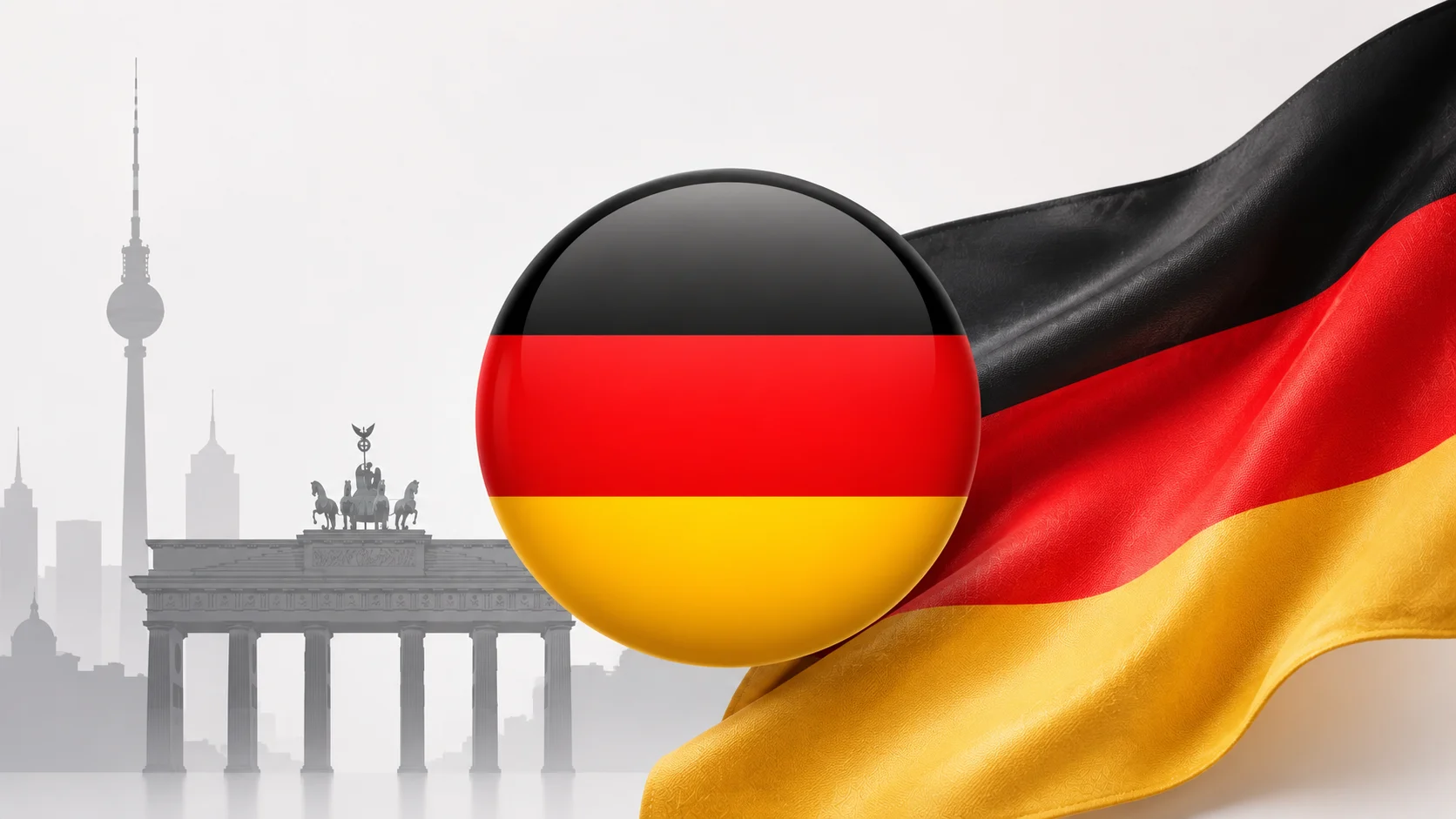
🇩🇪 usually means Germany or something German. It can identify a location, nationality, language, culture, sports team, travel destination or German-related event. The emoji itself does not automatically mean pride, patriotism, celebration or any particular political view; those meanings depend on the surrounding message.
The German flag emoji 🇩🇪 represents Germany. Its official Unicode name is “flag: Germany,” and it is commonly used when talking about Germany, German people, German culture, travel, sports, events, language, food, or anything connected with the country.
In everyday messages, 🇩🇪 is usually straightforward rather than emotional. Unlike a smiley or heart emoji, its meaning generally comes from the subject of the conversation. For example, “Heading to Berlin 🇩🇪” signals a connection to Germany, while “Germany won! 🇩🇪” can show national or team support.
German Flag Emoji Meaning in Text
When someone uses 🇩🇪 in a text, the most likely meaning is simply “Germany” or “German.”
Common uses include:
- Talking about a trip to Germany
- Mentioning German cities such as Berlin, Munich, or Hamburg
- Discussing the German language
- Showing support for Germany in an international sporting event
- Referring to German food, traditions, music, or culture
- Identifying German nationality or heritage
- Adding a country marker to a profile, post, or caption
For example:
“I’m flying to Munich tomorrow 🇩🇪”
Here, the emoji works almost like a visual location tag.
“German class starts Monday 🇩🇪”
In this case, it relates to the German language rather than a physical trip.
What Does 🇩🇪 Say About the Tone of a Message?
The German flag emoji is generally neutral and informational, but the tone can change with the rest of the message.
Neutral:
“Planning a trip to Germany 🇩🇪”
The emoji identifies the destination.
Celebratory:
“Germany made it through to the final! 🇩🇪🎉”
Here, the surrounding words and 🎉 create an excited, supportive tone.
Proud or patriotic:
“Proud to represent Germany 🇩🇪”
The emotional meaning comes mainly from the wording, while 🇩🇪 reinforces the national reference.
Playful:
“Time for some German pretzels 🇩🇪🥨”
The flag adds a cultural connection and works with the food emoji.
The flag itself should not be treated as proof that someone is expressing strong national pride. Context matters.
What Does 🇩🇪 Mean From Someone?
If someone sends you 🇩🇪 by itself, they may simply be referring to Germany. They could be saying where they are, where they are going, where they are from, or what they are talking about.
For example:
“🇩🇪”
Could mean “Germany,” “I’m in Germany,” or “German.”
“See you in Berlin 🇩🇪”
Clearly connects the emoji with Germany and the trip.
“That German food was amazing 🇩🇪🥨”
Uses the flag as a cultural reference.
There is no universal hidden message behind 🇩🇪. If the sender’s message is unclear, the words around the emoji are usually more useful than trying to assign a secret meaning to the flag.
Is the German Flag Emoji Flirty?
🇩🇪 is not inherently a flirting emoji. A person could use it in a romantic conversation if Germany is relevant, but the flag alone does not establish romantic interest.
For example:
“Our next trip? Germany 🇩🇪❤️”
The ❤️ adds an affectionate element, but even then, the exact meaning depends on the conversation.
If someone simply sends “🇩🇪,” it is safer to interpret it literally as a reference to Germany rather than assuming flirting or attraction.
Using 🇩🇪 for Travel, Culture and Sports
One of the most useful features of the German flag emoji is its flexibility.
For travel, it can identify Germany as a destination:
“Berlin is on my list 🇩🇪✈️”
For language, it can accompany German-language content:
“Learning German 🇩🇪📚”
In these examples, the flag does not create the meaning on its own. It reinforces the subject already established by the message.
German Flag Emoji Compared With Similar Flags
Several European flag emojis can look similar at a glance or appear in the same conversations. The most useful way to distinguish them is to check the country represented by each flag.
| Emoji | Official Name | Common Meaning | Tone | Where or When It Is Used |
|---|---|---|---|---|
| 🇩🇪 | Flag: Germany | Germany, German | Neutral, proud, supportive | Travel, culture, language, sports |
| 🇧🇪 | Flag: Belgium | Belgium, Belgian | Neutral, celebratory | Travel, culture, food, sports |
| 🇫🇷 | Flag: France | France, French | Neutral, proud, supportive | Travel, language, culture, events |
| 🇳🇱 | Flag: Netherlands | Netherlands, Dutch | Neutral, celebratory | Travel, culture, sports |
| 🇦🇹 | Flag: Austria | Austria, Austrian | Neutral, informative | Travel, culture, language, sports |
| 🇩🇰 | Flag: Denmark | Denmark, Danish | Neutral, supportive | Travel, culture, events |
| 🇨🇭 | Flag: Switzerland | Switzerland, Swiss | Neutral, informative | Travel, geography, products, sports |
| 🇪🇺 | Flag: European Union | European Union or European identity | Informative, supportive | European institutions, travel, regional topics |
The easiest flags to confuse with 🇩🇪 are generally other European country flags. The Belgian flag 🇧🇪 is especially worth checking because it also uses black, yellow, and red, but its stripes run vertically rather than horizontally. The German flag 🇩🇪 has horizontal black, red, and gold stripes.
The Austrian flag 🇦🇹 also has horizontal stripes, but its colors are red, white, and red. Looking at the actual colors and stripe arrangement is more reliable than guessing from a small emoji.
German Flag Emoji Copy and Paste
Copy the German flag directly here:
🇩🇪
You can paste it into texts, captions, comments, profiles, documents, or other places that support emoji.
The emoji is made from two Regional Indicator Symbols, 🇩 and 🇪, which combine to display as a single country flag on supported systems. Emojipedia identifies 🇩🇪 as the flag sequence for Germany.
Official Name and Unicode Details
The official Unicode short name is “flag: Germany.” Its Unicode sequence is:
U+1F1E9 U+1F1EA
These two code points correspond to the regional indicator letters D and E, representing Germany’s country code. Unicode’s current emoji charts list 🇩🇪 under the name flag: Germany.
The German flag emoji was added to Emoji 1.0 in 2015.
Because emoji designs are supplied by individual platforms, the exact appearance can vary between devices and operating systems. On some systems, unsupported national flag emoji may instead appear as the letters DE.
Why the Same 🇩🇪 Can Feel Different in Different Messages
A flag emoji is highly dependent on context. Compare these:
“Moving to Germany 🇩🇪”
This is mainly geographical.
“German culture is fascinating 🇩🇪”
This is cultural.
“Germany won! 🇩🇪🔥”
This is supportive and excited.
“I finally passed my German exam 🇩🇪🎉”
Here, the flag connects the celebration to the German language or course.
The character has not changed. The surrounding words and emojis have changed the message’s emotional tone.
Common Misunderstandings About 🇩🇪
One common mistake is assuming that 🇩🇪 always expresses patriotism. It can certainly be used proudly, but it is also frequently just a practical country identifier.
Another mistake is assuming that the emoji proves someone’s nationality. Someone can use 🇩🇪 because they are visiting Germany, studying German, supporting a German team, discussing German history, or simply talking about the country.
It is also better not to read romantic meaning into the flag. If someone uses 🇩🇪 in a personal conversation, look at the complete message and the existing relationship rather than treating the emoji as a coded signal.
How to Respond to 🇩🇪
Your best response depends on what the sender means.
If they are talking about travel:
“Nice! Which cities are you visiting?”
If they are sharing German culture:
“That sounds interesting 🇩🇪”
If they are celebrating a sports result:
“That was a great win! 🇩🇪🏆”
If they send only 🇩🇪 and you are unsure:
“Germany? 🇩🇪”
A short clarification is often better than guessing.
FAQs
What does the German flag emoji 🇩🇪 mean?
It represents Germany or something associated with the country, such as German language, culture, travel, or sports. Its emotional tone depends on the surrounding message.
What is the official name of 🇩🇪?
Unicode’s official short name is “flag: Germany.” The emoji uses the regional indicator sequence U+1F1E9 U+1F1EA.
What does 🇩🇪 mean in texting?
In texting, 🇩🇪 usually refers to Germany or something German. It can identify a location, language, nationality, cultural topic, or German sports team.
Is 🇩🇪 a flirting emoji?
No. 🇩🇪 has no built-in romantic meaning. If it appears in a romantic conversation, its meaning comes from the surrounding words and relationship context.
Can 🇩🇪 mean German language?
Yes. People can use the German flag to visually identify German-language content, although the flag officially represents Germany rather than the language itself.
Why does 🇩🇪 look different on some devices?
Emoji artwork is created by individual platforms, so its visual design can vary. Some systems that do not support national flag emoji may display the regional letters instead.
Conclusion
The German flag emoji 🇩🇪 is a clear visual reference to Germany and German-related topics. It can be informational, supportive, celebratory, or proud depending on the message around it, but the emoji itself does not guarantee a particular emotion or relationship meaning. When in doubt, read the full message before assigning extra meaning to it.

Sophia Martinez is a content writer at EmojisPeace.com, where she creates fun, engaging, and easy-to-read emoji guides, meanings and digital communication content. She enjoys helping readers express themselves better with the perfect emojis for every mood and moment.