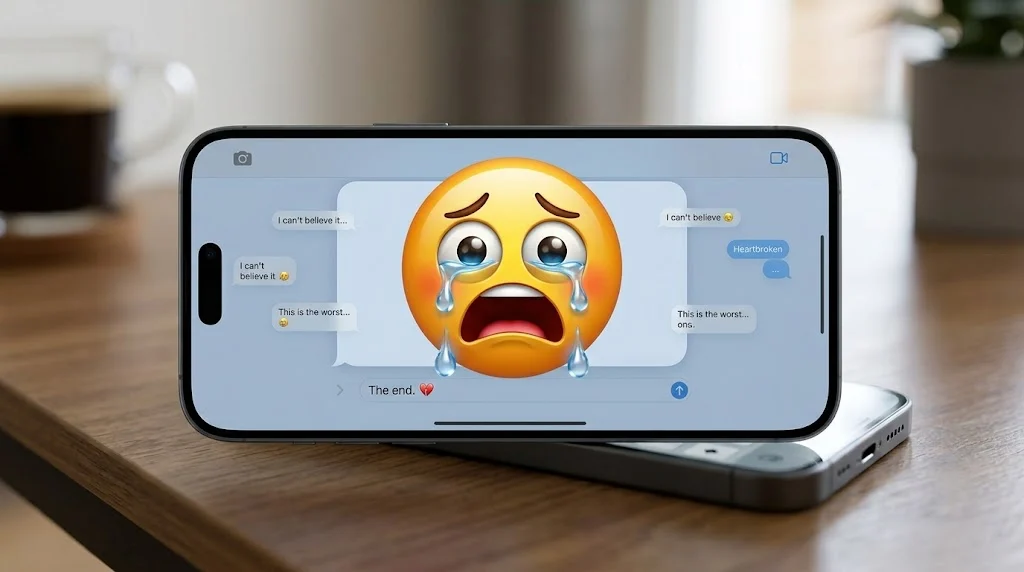
😭 usually means intense crying or overwhelming emotion. It can express sadness, heartbreak, laughter, frustration, or happiness, depending on the message and conversation.
The sob emoji 😭, officially called Loudly Crying Face, usually expresses intense sadness, heartbreak, disappointment, or emotional distress. However, its meaning is not always negative. In texts and social media comments, people also use it to show uncontrollable laughter, overwhelming happiness, frustration, or dramatic reactions to everyday situations. The context determines the tears are serious or exaggerated for humor.
For example, “I miss you so much 😭” may communicate genuine sadness, while “That video is too funny 😭” often means something is hilarious. The same emoji can also express relief, affection, or being deeply moved by a thoughtful gesture.
Understanding the difference between genuine distress and playful exaggeration helps you interpret this expressive emoji without jumping to conclusions about what someone feels.
What Does 😭 Mean in Texting?
In text messages, 😭 is often used to make a reaction feel stronger. It can communicate genuine sadness, but it can also act as a dramatic response to something funny, sweet, frustrating, or surprising.
The words around the emoji usually reveal which meaning fits.
- Sadness: “I can’t believe she’s moving away 😭” expresses sadness about a goodbye.
- Laughter: “That dog falling off the couch 😭” suggests the video is extremely funny.
- Excitement: “I finally got the job 😭” can express overwhelming happiness or relief.
- Frustration: “I studied all night and the test was canceled 😭” conveys disappointment.
- Affection: “You remembered the little things I told you 😭” may show that a thoughtful gesture feels deeply touching.
The key distinction is that 😭 communicates strong emotion, not sadness alone. A funny message may use it as exaggeration, while a personal or serious message may use it to express real pain.
😭 vs. 😢: What’s the Difference?
The two emojis both show tears, but they usually communicate different levels of intensity.
😢
Crying Face
Quiet sadness, disappointment, or sympathy.
Example: “I miss my friends 😢”
😭
Loudly Crying Face
Intense emotion, dramatic crying, or exaggerated reactions.
Example: “I miss my friends so much 😭”
The 😢 emoji often feels more restrained, while 😭 makes the emotion look bigger and more dramatic. However, people may use either one seriously or playfully. Neither emoji tells you exactly how upset someone is in real life.
How to Respond to 😭
Choose your response based on what the sender is reacting to, rather than assuming every crying emoji means they need comfort.
- If they’re genuinely sad: “I’m sorry. Want to talk about it?”
- If they’re laughing: “I knew you’d find that hilarious 😂”
- If they’re excited: “That’s amazing! You deserve it!”
- If they’re frustrated: “That’s so annoying. Hopefully things get better.”
- If they’re touched by something sweet: “I meant every word ❤️”
If the message is ambiguous, ask a simple question such as “Happy tears or sad tears?” This keeps the conversation natural and avoids misunderstanding their mood.
Copy and Paste the Sob Emoji
😭
Loudly Crying Face · Sob Emoji Copy 😭
You can also combine it with other emojis to give the message a more specific tone:
- 😭💔 — Heartbreak or deep sadness
- 😭😂 — Laughing so hard that you are overwhelmed
- 😭❤️ — Feeling deeply touched or affectionate
- 😭🙏 — Desperation, pleading, or an emotional request
- 😭🥹 — Strong emotion mixed with tenderness
These combinations are informal. Their meaning still depends on the words and situation.
Official Name and Unicode Information
The official Unicode name for 😭 is Loudly Crying Face.
- Unicode code point: U+1F62D
- Unicode version: Unicode 6.0
- Approval year: 2010
- Emoji version: Emoji 1.0 (2015)
The character depicts a face with tightly closed eyes, an open mouth, and heavy streams of tears. Its design is intended to represent loud crying, although everyday digital use also includes exaggerated reactions to laughter, affection, excitement, and frustration.
The Unicode Consortium maintains the emoji character standard. For the official character name and code point, see the Unicode emoji chart. For its documented interpretations and platform artwork, see Emojipedia’s Loudly Crying Face entry.
Does 😭 Look Different on Different Devices?
Yes. Apple, Google, Samsung, and other vendors create their own artwork for the same Unicode character. The size and shape of the tears, mouth, and facial expression can vary slightly. These differences may affect the visual tone, but the underlying emoji remains 😭.
FAQs
Does 😭 always mean someone is sad?
No. It can represent genuine sadness, but it is also used for laughter, excitement, frustration, affection, and other overwhelming emotions. The accompanying words usually provide the clearest clue.
What does 😭 mean from a friend?
A friend may be expressing sadness, laughing at a joke, reacting dramatically, or sharing excitement. Consider what you were discussing before interpreting the emoji.
Is 😭 a laughing emoji?
Not officially. Its name is Loudly Crying Face, but people often use it as an exaggerated reaction to something hilarious. 😂 and 🤣 communicate laughter more directly.
What does 😭 mean from someone you like?
It could express affection, embarrassment, sadness, excitement, or playful exaggeration. It does not automatically indicate flirting or romantic interest. Look at the full message and your existing conversation.
Is 😭 stronger than 🥹?
They express different kinds of emotion. 😭 usually conveys intense crying or an exaggerated emotional reaction, while 🥹, officially Face Holding Back Tears, often suggests tenderness, gratitude, or trying not to cry. Either can communicate strong feelings.
Can 😭 be used in a professional message?
It can fit an informal workplace chat, such as reacting to a frustrating deadline or celebrating good news with colleagues. For formal emails or serious situations, clear wording is usually more appropriate.
Conclusion
The sob emoji 😭 is a flexible way to express intense emotion, from genuine heartbreak to uncontrollable laughter. Its meaning can change dramatically with a few words, so consider the full message before deciding someone is sad, joking, excited, or overwhelmed.
Discover More related Articles:
- Thinking Emoji Meaning | Is It Curiosity, Doubt or Sarcasm In 2026
- Poop Emoji | From Funny Jokes to Sarcastic Reactions In 2026
- Sparkle Emoji Mean | From Magic to Subtle Sarcasm In 2026

Jessica Miller is a content writer at EmojisPeace.com, where she creates fun and easy-to-follow guides about emojis, their meanings and creative ways to use them. She loves helping readers express themselves with the perfect emoji for every moment.